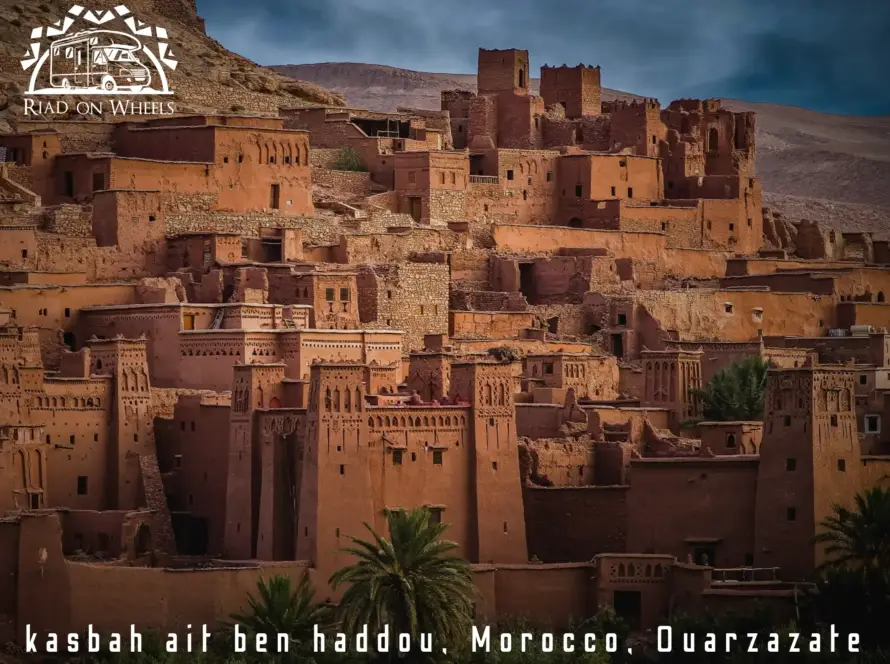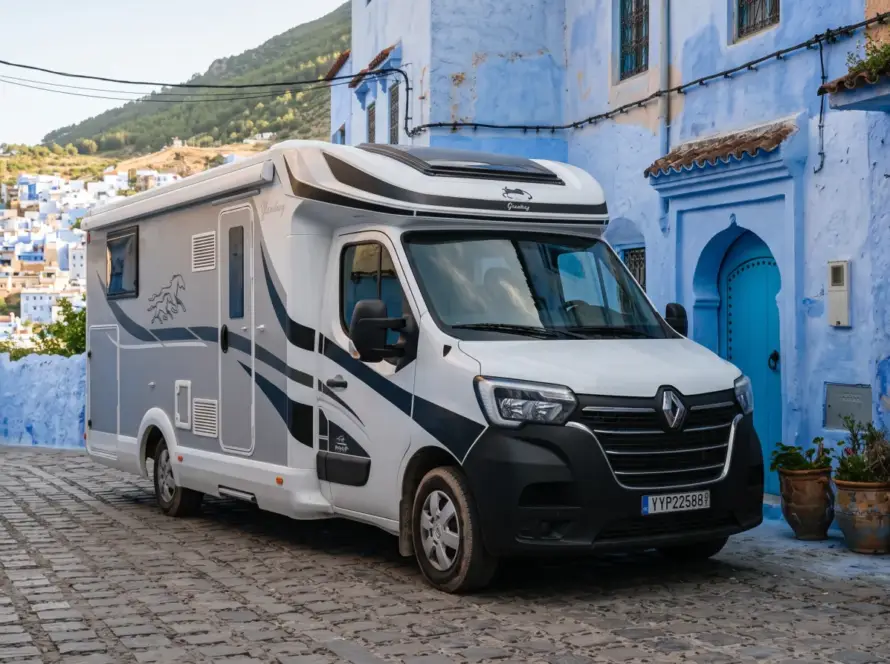


Touring Morocco by campervan is an unparalleled experience, offering a unique blend of comfort, flexibility, adventure, and cultural immersion. The country’s diverse landscapes—from stunning coastlines and vibrant cities to the majestic Atlas Mountains and expansive Sahara Desert—provide countless opportunities for exploration. Proper planning, however, is essential for a smooth, safe, and memorable journey. Here are ten essential things you need to know before embarking on your campervan adventure through Morocco.
1. Legal Requirements and Documentation
Vehicle Paperwork
Always ensure that your campervan documentation—including valid insurance, vehicle registration, and ownership papers—is up-to-date and easily accessible. Moroccan authorities frequently inspect these documents at border crossings and roadside checkpoints, and lacking proper documentation can result in fines or delays.
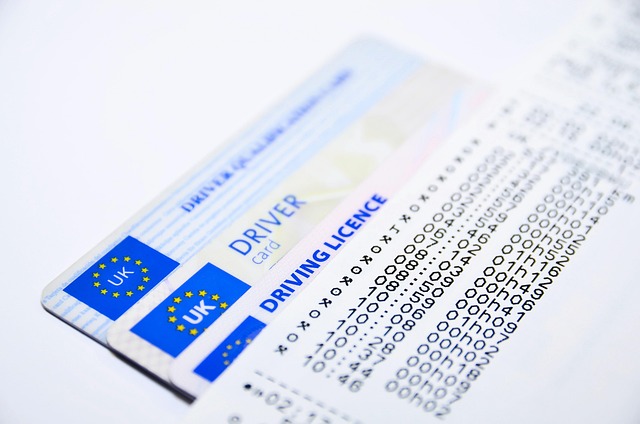
Driving License
An international driving permit (IDP) is highly recommended, although most national driving licenses are accepted for stays under three months. Check beforehand to avoid inconvenience.

2. Crossing the Border with Your Campervan
Customs Procedures
Be prepared for thorough customs checks at the border. Keep vehicle ownership documents, insurance certificates, passports, and any necessary visas at hand. A temporary importation form must typically be completed to bring your campervan into Morocco.
Importation Period
Morocco allows campervans a temporary importation period of up to six months. Adhering strictly to this period is crucial, as overstaying can result in hefty fines or vehicle confiscation.
3. Road Conditions and Driving in Morocco
Road Infrastructure
While Morocco’s main highways and urban roads are generally in good condition, rural roads can present challenges such as potholes, narrow lanes, unmarked routes, and abrupt turns. Be cautious and adjust your driving accordingly.
Traffic Rules and Regulations
Understanding Moroccan traffic regulations is essential. Speed limits are strictly enforced, especially around populated areas and schools, and fines for violations can be steep. Familiarize yourself with local driving customs, and always drive defensively.
4. Campsites and Wild Camping
Official Campsites
Morocco offers numerous well-equipped and affordable campsites with facilities such as water, electricity, sanitation, laundry services, and Wi-Fi in some cases. Research and book recommended campsites in advance during peak tourist seasons.
Wild Camping Regulations
Wild camping, while generally tolerated, should be practiced respectfully and discreetly. Choose remote, natural areas and avoid camping near towns or private property without explicit permission. Always clean up after your stay.
5. Safety and Security Tips
Vehicle Security
Keep your campervan secure at all times. Install strong locks, alarm systems, and consider using GPS tracking devices to prevent theft or vandalism. Avoid leaving valuables unattended and visible.
Personal Safety
Be vigilant, especially in remote or isolated locations. It’s advisable to overnight at official campsites or secure, well-lit locations. Always inform someone about your location and travel plans for added security.
6. Essential Supplies and Resources
Water and Fuel Availability
Ensure adequate water supplies and regularly monitor fuel levels. Fuel stations are plentiful in urban centers but scarce in remote areas. Planning ahead for fuel stops is crucial.
Spare Parts and Tools
Carry essential spare parts such as tires, bulbs, belts, and basic tools in your campervan. Finding mechanics or specialized spare parts can be challenging in remote areas, so prepare accordingly.
7. Navigating Cultural Norms and Etiquette
Respect Local Customs
Morocco’s rich culture deserves respect and appreciation. Dress modestly, particularly in rural areas and religious sites, and learn basic etiquette such as greeting methods and respectful gestures to foster positive interactions.
Language Considerations
Though English is widely spoken in tourist areas, knowing basic French or Arabic phrases can significantly enhance your experience, enabling deeper connections with locals and smoother communication.
8. Connectivity and Communication
Internet and Mobile Coverage
Mobile coverage is extensive in urban and tourist-heavy areas. Purchase a local SIM card upon arrival to access affordable internet data, calls, and SMS. Prepaid SIMs are widely available and simple to activate.
GPS Navigation
Offline navigation tools, such as Maps.me or offline Google Maps, are invaluable, especially in remote regions where internet connectivity may be limited or nonexistent. Download maps in advance for uninterrupted navigation.
9. Weather and Best Time to Travel
Seasonal Considerations
Optimal campervan travel seasons in Morocco are spring (March-May) and autumn (September-November), when temperatures are pleasant. Summers, especially inland and in desert areas, can be oppressively hot, while winters in mountainous regions can bring cold temperatures and snow.
Preparing for Varied Climates
Pack clothing and gear suitable for a range of climates and unexpected weather shifts. Layers are essential to comfortably handle everything from hot desert days to chilly mountain nights.
10. Highlights and Must-Visit Destinations
Imperial Cities
Explore historic Marrakech, Fes, Meknes, and Rabat to experience Morocco’s cultural richness, vibrant markets, ornate palaces, and ancient medinas.
Natural Wonders
Discover breathtaking natural sights such as the vast Sahara Desert, the rugged Atlas Mountains, picturesque coastal towns like Essaouira and Agadir, and pristine beaches.
Off-the-Beaten-Path Adventures
Visit hidden gems like the scenic Rif Mountains, dramatic Dades Gorge, remote desert oases, Berber villages, and lesser-known coastal villages for authentic, quieter experiences.
Conclusion
Touring Morocco by campervan offers a remarkable and enriching travel experience when approached with proper planning and awareness. Keep these ten key points in mind for a safe, enjoyable, and culturally immersive adventure in this captivating North African country.